What happens to the body as it gets older
Many people think that only young people can get addicted, but older individuals can too. Stress, changes in the body, and emotional problems can all make older people more likely to develop a substance use disorder later in life. A lot of the time, these problems go unrecognized or untreated since the signs of addiction can look like normal aging. This means that many cases are not logged.
As we age, our bodies process drugs and alcohol differently. A dose that used to seem small can suddenly feel much bigger. The National Institute on Aging adds that having a medical condition, having a slowed metabolism, and using prescription drugs all make the chances higher. People over the age of 65 can become addicted to even small amounts of drugs more quickly.
The Risks of Prescription Drugs for Older Adults
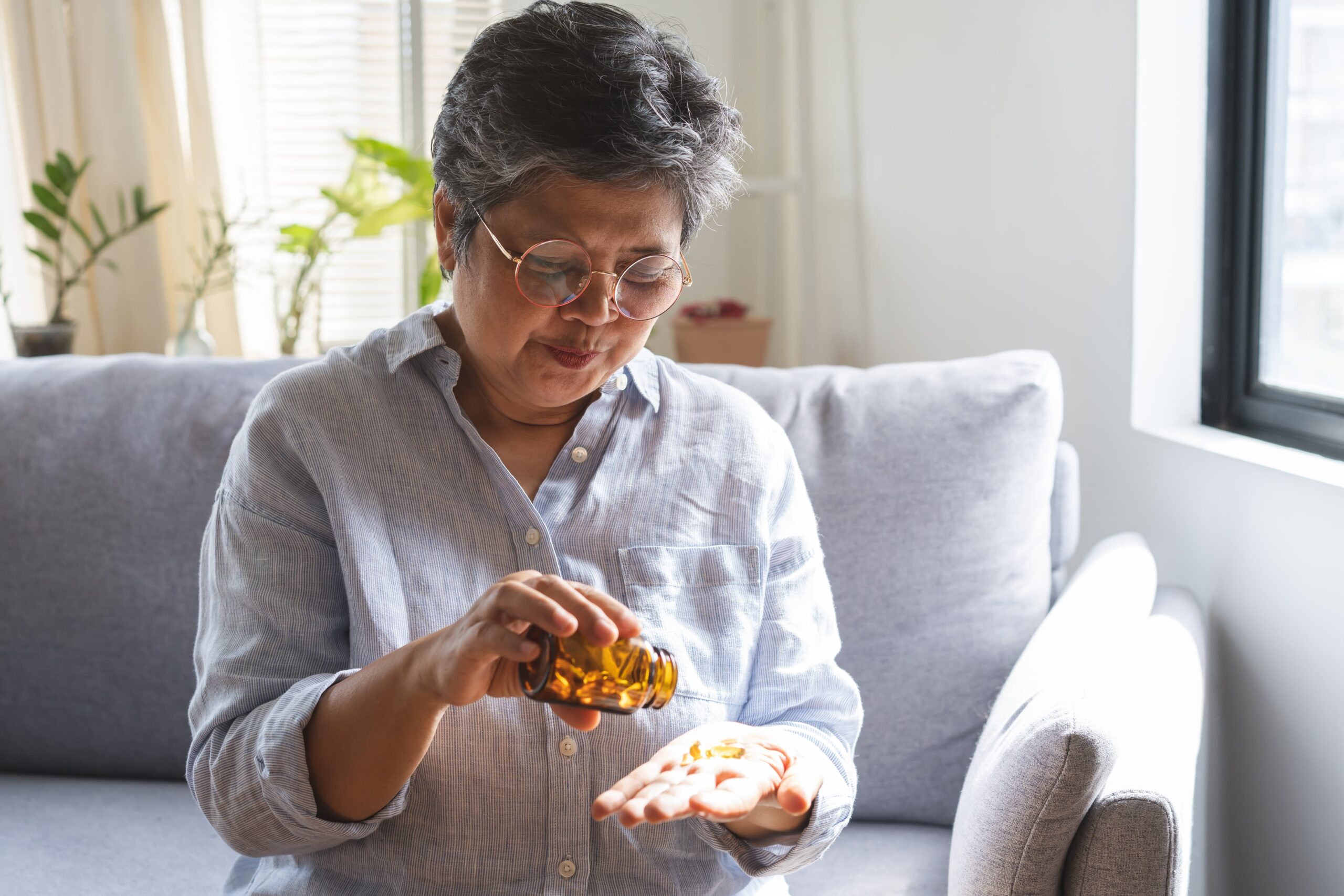
It’s really risky to take prescription medicines. A lot of older individuals take drugs to help them sleep, reduce pain, or calm their anxiety. Over time, people can get hooked to these medicines. Opioids, benzodiazepines, and sleep aids are the most dangerous. Someone might start taking them exactly as advised, but over time they may need to take more. Family members may not see early warning signs because they believe that prescription drugs are always safe.
Life changes that make you more open to danger
Life changes that are big can have an influence. Retirement, loneliness, depression, or losing your freedom can all have an effect on your mental health. Some older individuals use drugs or alcohol to deal with boredom, stress, or sadness. At first, these habits may not seem bad, but without help from others or a regular routine, they can become addictions.
Chronic Pain and Substance Abuse
Another thing that happens a lot is chronic discomfort. Arthritis, injuries that happened a long time ago, and long-term health concerns can all produce pain all the time. When the anguish is too much to handle, some people may turn to drugs or alcohol. This can create a dangerous loop since combining medicines with health problems makes falls, confusion, hospitalization, and other problems more likely.
Why It’s Hard to Spot Substance Use Disorders in Older Adults
Finding substance use issues in older persons might be problematic. Dementia and other age-related diseases might look like memory issues, mood changes, trouble with balance, and disorientation. Unless healthcare personnel are specifically seeking for drug use, these signs can be disregarded. Families could think that odd behavior is just a normal part of growing up, which can make it tougher to receive help early on.
How to Help Older People Get Better
There is a definite way to help older people who take drugs. Good programs take into account how people change as they get older, both physically and emotionally. Treatment usually includes planned routines that aid with rehabilitation, therapy that focuses on grief or loneliness, and coordinated medical care. No matter how old you are, you can get better with the right care. Go to our contact page to get in touch with an expert.
Why it is important to be aware
Persons who care for elderly persons, families, and communities need to know how drugs and alcohol affect them. Older people can get care sooner if they recognize the risks and early signs. This makes their lives better overall. Getting older doesn’t mean you have to become addicted. Older individuals can get their health, freedom, and hope back with the correct care.